


When Should Children Start Jazz Dance Classes?

A preschooler hears an upbeat song and immediately starts bouncing, spinning, and making up her own moves. That joyful instinct is a lovely place to begin when parents ask, when should children start jazz dance? The answer is not simply a number on a birthday cake. It depends on the child’s readiness, the class structure, and whether the teacher understands how young children learn.
For many children, age 3 is a wonderful time to be introduced to beginner-friendly modern jazz movement. At this stage, classes should feel playful, imaginative, and encouraging rather than focused on perfect technique. As children grow in attention, coordination, and confidence, they can gradually build the stronger jazz foundations that support more detailed movement.
What Is a Good Age to Start Jazz Dance?
Children can begin age-appropriate jazz or modern jazz classes from around age 3, provided the class is designed specifically for young learners. A quality early-years class will use music, games, storytelling, and simple movement patterns to help children enjoy dancing while developing basic skills.
Between ages 4 and 6, many children are ready for more structured jazz foundations. They can begin learning how to follow combinations, recognize rhythm, travel safely through space, and practice movements such as skips, kicks, jumps, turns, and expressive arm positions. They still need plenty of imagination and encouragement, but they may be able to focus for longer and remember short sequences.
By age 6 or 7, children often have the physical control and classroom confidence to work more deliberately on jazz technique. That does not mean younger children cannot dance jazz. It simply means the expectations should match their developmental stage.
The best starting point is a class that meets your child where they are today, rather than one that expects them to behave like an older dancer.
When Should Children Start Jazz Dance Based on Readiness?
Age is helpful, but it is only one part of the picture. Some 3-year-olds are eager to join a class, while some 5-year-olds need a little more time before they feel comfortable participating independently.
A child may be ready to try jazz dance if they show interest in music and movement, can take simple directions, and are comfortable being part of a small group. They do not need to be naturally flexible, outgoing, or coordinated. Those are qualities dance classes can nurture over time.
It is also normal for young children to be shy at first. A child who watches quietly during the first lesson may still be enjoying the experience and learning from the group. Patient instructors give children time to settle in, use positive encouragement, and help them feel seen without forcing participation.
Parents should look for a program that welcomes beginners and treats early dance education as a process. The goal is not to create a polished performer in the first few weeks. The goal is to help a child feel safe, capable, and excited to return.
Signs a Class May Be Too Advanced
A class may not be the right fit if it moves too quickly, uses lengthy technical explanations, or expects children to memorize complex routines before they are ready. Young children learn best through repetition, demonstration, and active exploration.
They also need enough space and supervision to move safely. Instructors should offer clear boundaries, age-appropriate corrections, and alternatives for children who need extra support. A child should leave class feeling proud of what they tried, not worried that they could not keep up.
Why Jazz Dance Is Valuable for Young Children
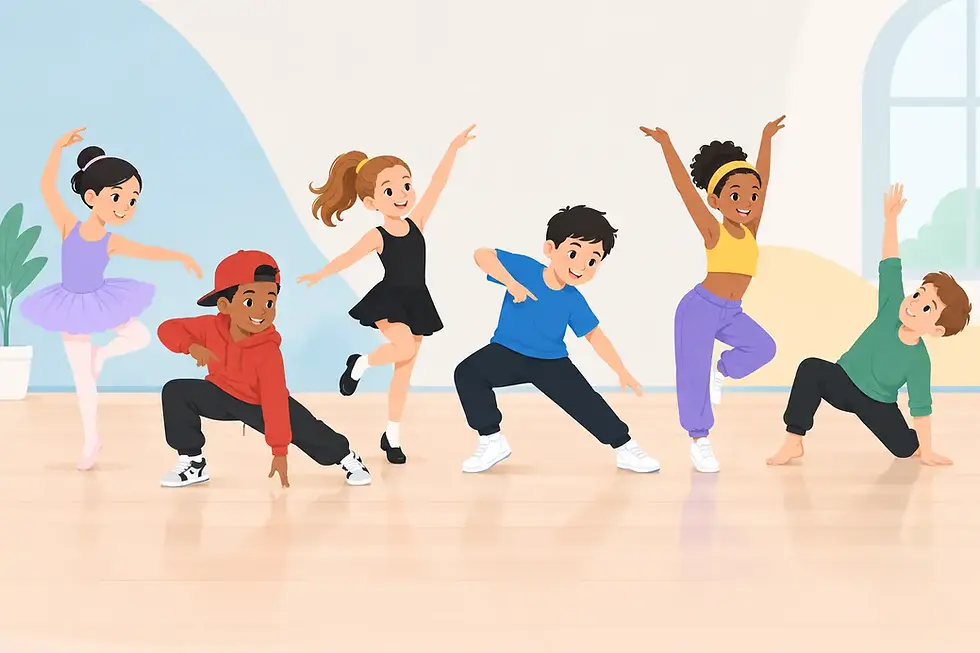
Jazz dance is energetic, expressive, and wonderfully varied. It gives children a chance to jump high, stretch long, move sharply, sway smoothly, and connect movement to music. For children who enjoy lively songs and big emotions, jazz can be an especially natural outlet.
The benefits extend beyond learning dance steps. Regular, thoughtfully taught classes can support balance, flexibility, posture, body awareness, coordination, and stamina. These physical skills are useful in everyday play, school activities, and other sports.
Jazz also encourages children to listen closely. They learn to notice a beat, wait for a cue, and move with the group. Over time, these experiences can strengthen concentration, memory, and the ability to follow instructions.
Just as importantly, dance gives children a way to express themselves without needing the perfect words. A quiet child may find confidence through a strong pose or a joyful leap. An energetic child can learn how to channel excitement with control and purpose. Both experiences matter.
Ballet First, Jazz First, or Both?
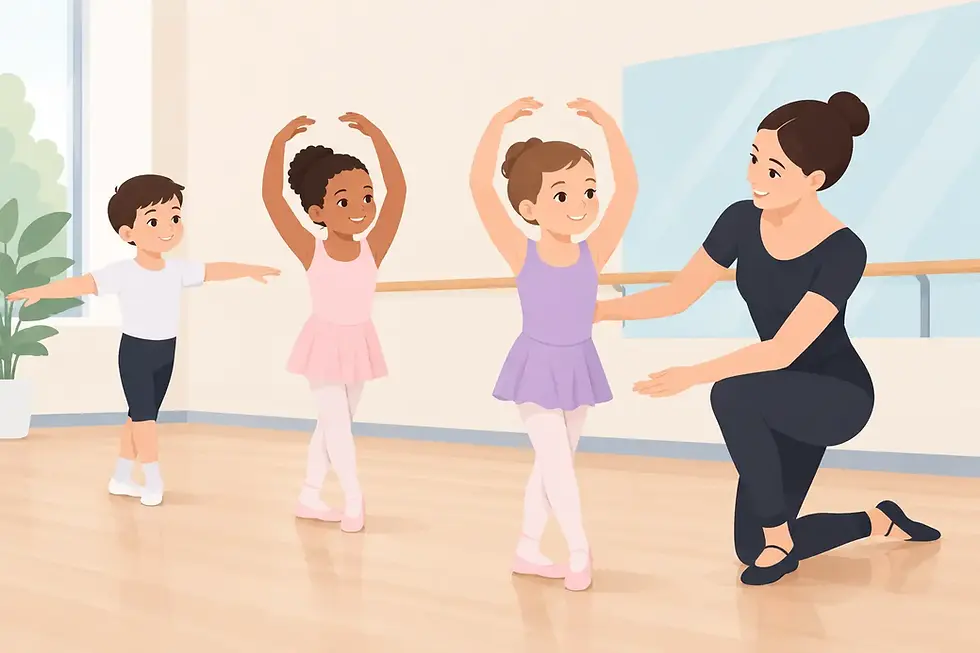
Parents sometimes wonder whether their child should start with ballet before trying jazz. Ballet is an excellent foundation because it introduces posture, balance, coordination, musicality, and disciplined movement habits. For very young children, it can be a gentle introduction to the structure of a dance class.
However, a child does not always need years of ballet before taking beginner jazz. An appropriately designed jazz class can teach foundational skills in its own way. The better question is which style will help your child feel motivated to learn.
A child who loves imaginative movement and upbeat music may be drawn to jazz right away. A child who enjoys graceful shapes, slower music, and clear routines may connect first with ballet. Many children benefit from experiencing both, especially when their schedule and energy levels allow it.
At C Dance Academy, early dance classes are built around age-appropriate instruction, so children can develop their skills without being rushed into adult-style training. The right class should make movement feel joyful while steadily introducing the habits that help dancers progress.
What Parents Should Look for in a Beginner Jazz Class
The teacher and class environment matter as much as the dance style. Young children need instructors who understand child development, not only dance technique. A skilled teacher knows when to simplify a step, turn an exercise into a game, and celebrate a small breakthrough.
Small classes can be especially helpful for beginners. With more individual attention, instructors can learn each child’s personality, offer gentle guidance, and make sure children are moving safely. This is valuable for children who are shy, highly energetic, or still developing confidence in a group setting.
Look for a class with a clear rhythm. Young dancers benefit from a familiar routine that may include greeting time, a warm-up, movement activities, simple skill practice, creative exercises, and a calm ending. Predictability helps children feel secure, while variety keeps them engaged.
Comfortable clothing is also part of a positive start. Children should be able to stretch, jump, and move freely. They do not need expensive dancewear for their first experience unless the studio requires a specific uniform. What matters most is that they can participate comfortably and safely.
Give Your Child Time to Grow Into Dance
Starting jazz dance early can be a beautiful opportunity, but there is no prize for beginning before a child is ready. A 3-year-old may thrive in a playful introduction to modern jazz, while another child may feel more prepared at 4, 5, or later. Both paths are completely valid.
A trial class can often answer questions that age alone cannot. It lets your child experience the teacher, music, group setting, and movement style firsthand. Watch for the small signs: a smile after class, a favorite move practiced at home, or a growing willingness to try again. Those moments are often the beginning of a lasting love for dance.

Comments