


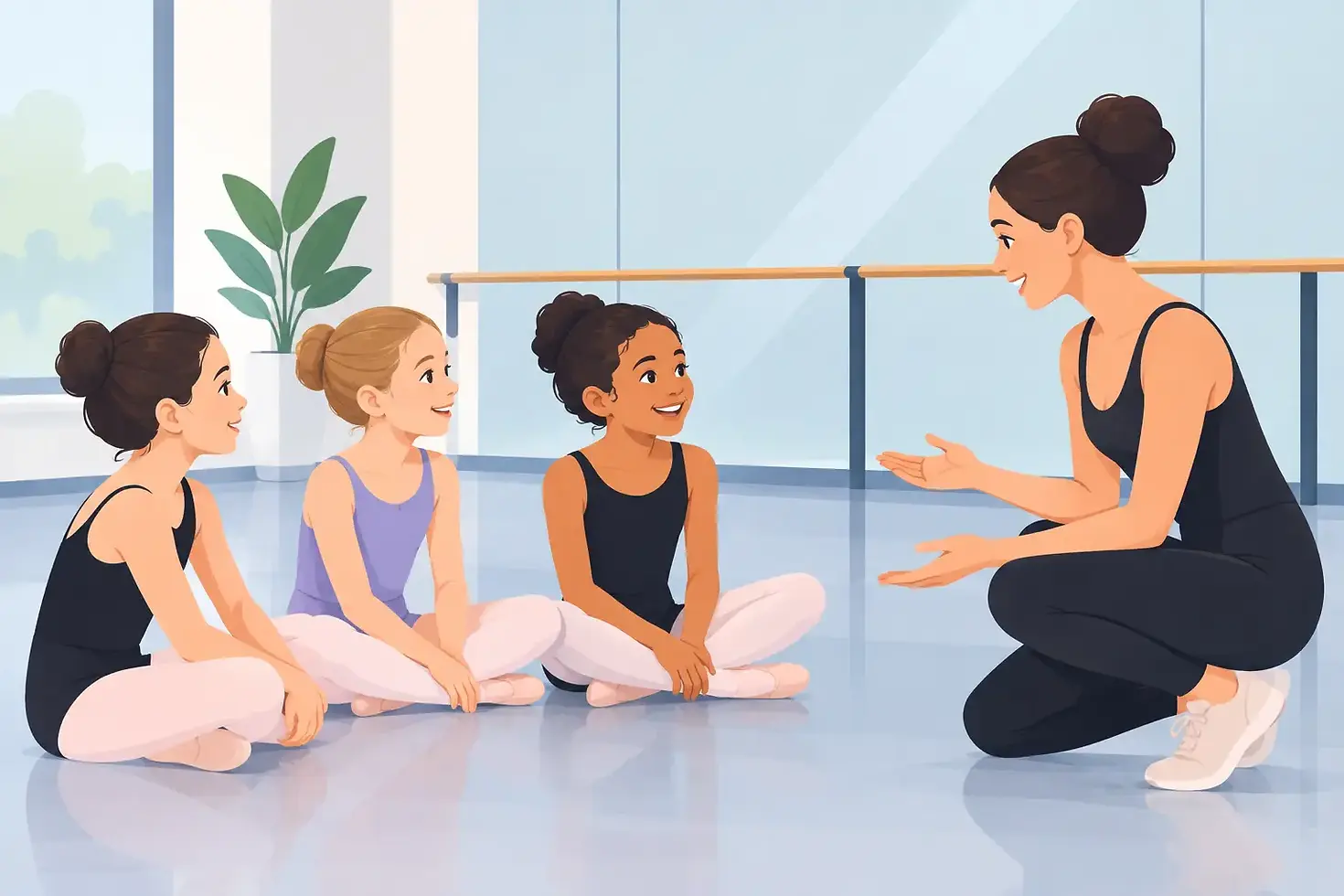
12 Best Questions for a Dance Trial Class

A dance trial is not a test your child has to pass. It is a chance to see how they respond to a new room, a new teacher, music, movement, and a little bit of independence. The best questions for dance trial visits help parents look beyond whether a child can point their toes or follow every instruction on day one. They reveal whether the class is a kind, structured place where a young dancer can feel safe enough to grow.
For toddlers, preschoolers, and beginners, the right fit matters more than immediate technique. A child may be quiet at first, cling to a parent, or spend part of the class simply watching. That can still be a very positive start. Asking thoughtful questions before and after the trial gives you a clearer picture of what the studio values and how it will support your child over time.
Best Questions for a Dance Trial Before You Attend
1. Is this class designed for my child’s age and stage?
Children learn differently at two, four, and seven years old. Ask how the curriculum is adapted for the age group, including class length, activity changes, music, and expectations for focus. A quality early childhood dance class uses imagination, repetition, and age-appropriate movement rather than expecting young children to train like older dancers.
For a toddler, a good answer may include simple ballet foundations, coordination games, rhythm, and creative movement. For an elementary-age beginner, it may include more formal technique alongside confidence-building instruction.
2. What experience do the teachers have with young children?
Dance knowledge is valuable, but teaching small children requires a special kind of patience and awareness. Ask whether the instructor has experience teaching beginners and early childhood students, and how they help children who are shy, energetic, frustrated, or new to a group setting.
You are looking for a teacher who can give clear direction while staying warm and encouraging. The best instructors notice when a child needs reassurance, a gentler transition, or a little extra challenge.
3. How large is the class?
Small class sizes can make a meaningful difference, particularly for first-time dancers. Young children benefit when an instructor can learn their names, correct movement safely, and offer individual encouragement. Ask about the typical number of children in the class and whether there is additional support for very young groups.
A larger class is not automatically unsuitable, especially for older children who enjoy a busy social atmosphere. Still, for a toddler or cautious beginner, more personal attention often makes the first experience more comfortable.
4. Can parents watch, stay nearby, or help with the transition?
Every studio has its own policy, and it is helpful to know this before you arrive. Some children settle best when a parent remains nearby for the first few minutes. Others participate more freely once they have a chance to bond with the teacher and classmates independently.
Ask how the studio manages separation anxiety and first-day nerves. A nurturing program will have a thoughtful approach rather than treating tears, hesitation, or observation as bad behavior.
5. What should my child wear and bring?
This practical question can prevent an avoidable stressful start. Find out whether comfortable clothes are acceptable for a trial, whether ballet shoes are required, and how hair should be secured. Many beginner-friendly studios understand that parents may prefer to wait before buying dancewear.
Also ask whether your child should bring water, arrive early, or use the restroom beforehand. A calm arrival gives children time to notice their surroundings before class begins.
Questions to Ask About Safety, Learning, and Care
6. How do you keep children safe during class?
Parents should feel comfortable asking about supervision, studio floors, warm-ups, and how instructors teach movement safely. Young dancers are developing balance, body awareness, and coordination, so movements should be introduced gradually and with proper guidance.
It is also reasonable to ask about pick-up procedures and how the staff responds if a child feels unwell or has a minor accident. Safety is not separate from good teaching. It is part of helping children move confidently.
7. What does a typical class look like?
Ask the teacher to describe the flow of the session. For young children, an effective class usually has a predictable rhythm: a welcoming start, warm-up activities, skill-building movement, imaginative or musical exercises, and a calm ending. Predictability helps children feel secure, while variety keeps them engaged.
This question also helps you understand whether the class matches your child’s needs. A child who loves imaginative play may thrive in a creative ballet setting, while a child who enjoys upbeat music may be excited by beginner modern jazz. Neither preference is better. The goal is a class that makes your child want to return.
8. How do you encourage children who are shy or reluctant to join in?
Not every child walks into a studio ready to dance in front of others. Ask whether children may observe briefly, join at their own pace, or receive gentle support from the teacher. A positive first experience should never depend on perfect participation.
Some children need several classes before their confidence becomes visible. The right environment gives them room to warm up while still inviting them into the group. Over time, dance can be a wonderful way to practice independence, communication, and self-expression.
9. How do you handle behavior and big feelings?
Toddlers and young children are still learning how to wait, share space, follow directions, and manage disappointment. Ask how instructors respond when a child becomes upset, distracted, overly excited, or unwilling to participate.
Look for calm, respectful guidance rather than harsh discipline or unrealistic expectations. Structure matters in dance, but young children learn best when boundaries are taught with consistency and care. A child can develop discipline without feeling afraid of making a mistake.
10. What skills will my child develop besides dance steps?
A thoughtful program should be able to explain the wider value of its classes. Ballet and beginner dance can support balance, flexibility, posture, musicality, coordination, and body awareness. Just as importantly, regular classes can encourage listening skills, perseverance, confidence, creativity, and the ability to work with others.
Ask how these outcomes are built into the teaching. The answer should feel specific to children, not like a promise that every student will become a professional dancer. For most families, joyful progress and a healthy relationship with movement are the real goals.
Questions to Ask After the Trial Class
11. How did my child do from the teacher’s perspective?
After class, ask for honest, gentle feedback. Did your child seem comfortable with the group? Were they able to follow parts of the lesson? Did the teacher notice an interest in certain activities? This conversation can be especially useful if your child was quiet, because a child may absorb more than they show.
At the same time, remember that one trial does not tell the whole story. A child who hides behind you on the first day may be happily practicing their ballet positions at home a few weeks later. Ask whether the teacher believes the class is a good match and whether they recommend trying again if your child needed more time.
12. What are the next steps if we decide to enroll?
Before making a decision, ask about schedules, fees, term commitments, make-up class policies, uniforms, performances, and communication with parents. Knowing the practical details helps you choose a class that works for your family’s routine, not only your child’s interests.
Performances can be exciting confidence-building milestones, but it is worth asking how participation is handled for beginners. Some children love the stage; others need time. A supportive studio will make the experience feel celebratory rather than pressured.
Pay Attention to What Your Child Tells You
Your questions matter, but so does your child’s response. After the trial, try asking simple, open-ended questions: “What was your favorite part?” “How did you feel with the teacher?” or “Would you like to go back?” Avoid putting too much weight on whether they learned a specific step or stayed engaged every minute.
Look for small signs of comfort and interest. Perhaps they smile when the music starts, talk about a new friend, copy a movement at home, or simply say they want to wear their dance clothes again. Those moments can signal that the class has sparked something meaningful.
If your child says no after one session, pause before deciding dance is not for them. They may need a different class time, style, teacher, or a few more visits to feel settled. At C Dance Academy, the aim of a trial is to help families find a starting point that feels encouraging, age-appropriate, and full of possibility. The best first class leaves your child feeling seen, supported, and a little proud of what they tried.
Comments