


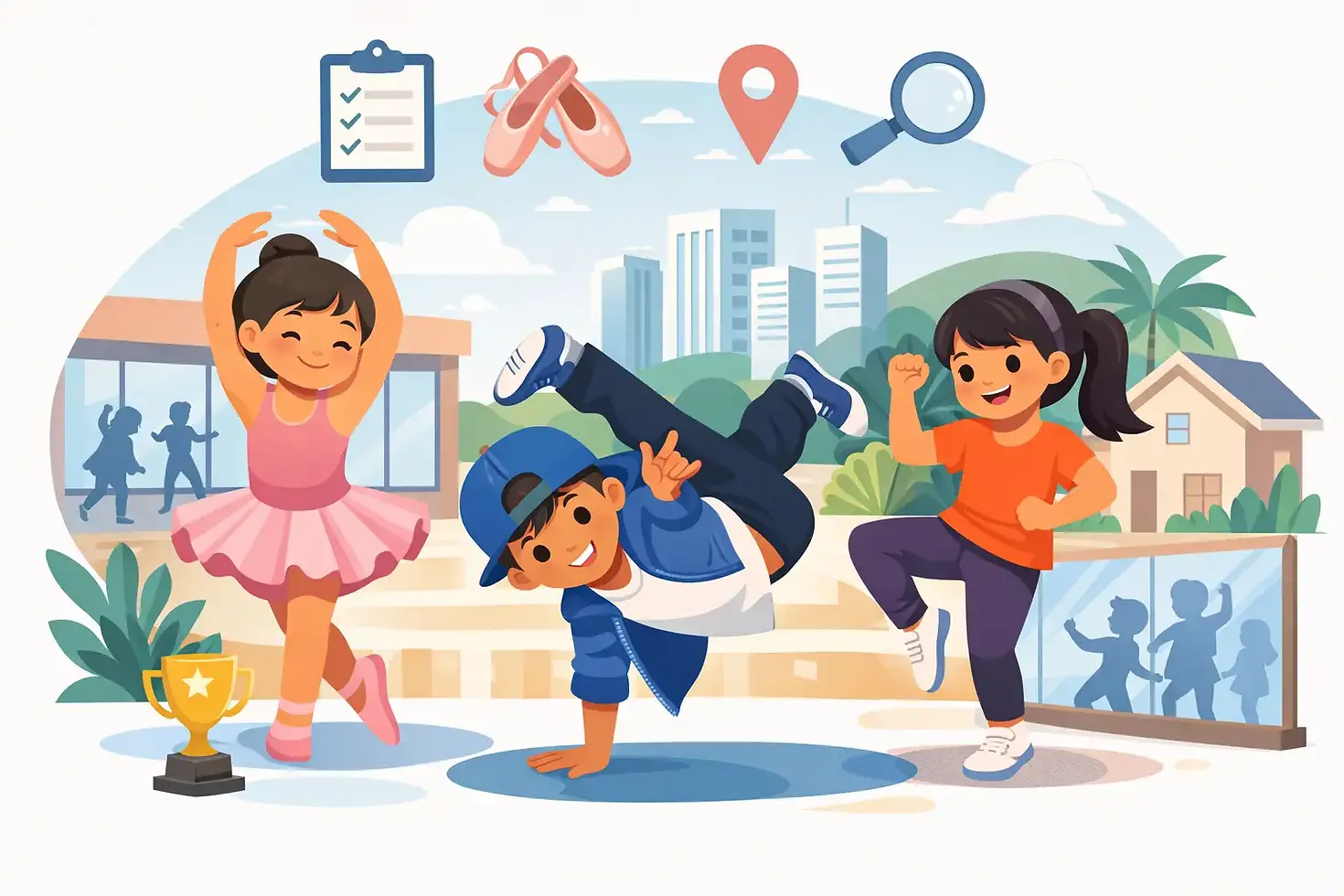
How to Choose Kids Dance Classes Damansara

Some children walk into a studio and join right away. Others hold a parent’s hand, watch quietly, and need a little time before they feel ready. That is exactly why choosing kids dance classes Damansara is not just about finding an open time slot. It is about finding a place where your child feels safe, understood, and excited to learn.
For parents of toddlers, preschoolers, and young children, the right dance class can become much more than an after-school activity. It can be a gentle introduction to structure, listening, movement, music, and self-expression. When the teaching is age-appropriate, dance helps children build confidence while developing balance, coordination, focus, and body awareness in ways that feel joyful rather than pressured.
What makes kids dance classes in Damansara a good fit?
The best fit usually starts with one simple question: how does the class teach young children, not just dance steps? A strong children’s program understands that a three-year-old learns very differently from an eight-year-old. Attention span, emotional readiness, coordination, and confidence all develop at different speeds.
A quality class meets children where they are. For younger beginners, that often means movement games, imaginative prompts, musical timing, and clear routines. For older children, it may include more technical foundations, posture work, across-the-floor exercises, and combinations that build memory and control. The goal is steady progress, but the path should still feel encouraging.
Parents often notice the difference quickly. In a well-run class, children are engaged without looking overwhelmed. They are guided with warmth and structure. They know what to expect, and that predictability helps them settle in and participate.
Start with age-appropriate teaching, not just the dance style
It is easy to focus on whether your child should begin with ballet or jazz. In reality, the teaching approach matters even more, especially for beginners.
For toddlers and preschoolers, ballet is often a wonderful starting point because it introduces posture, musicality, coordination, and discipline in a clear and gentle way. But beginner ballet for very young children should never feel rigid. The class should be designed around short attention spans, basic motor development, and playful learning.
Modern jazz can also be a great option as children grow. It tends to feel energetic and expressive, which appeals to kids who enjoy rhythm, movement variety, and a little more freedom. Some children thrive in ballet first and branch out later. Others benefit from a mix of structured foundation work and more dynamic movement. It depends on your child’s personality, age, and readiness.
That is why a studio’s curriculum matters. A thoughtful program does not simply place all children into the same format. It builds skills step by step, in a way that supports both enjoyment and development.
For toddlers, the right first class feels gentle and clear
If your child is between about 2.5 and 4 years old, look for a program that understands early childhood development. At this age, a class should help children practice listening, taking turns, following simple directions, and moving with control. These are big milestones.
You are not looking for perfection. You are looking for a teacher who can keep little ones engaged, redirect them kindly, and create a calm routine they can grow into.
For school-age children, foundation still matters
Older beginners may seem ready for more, but they still need strong fundamentals. Good technique classes for children should build alignment, flexibility, rhythm, and strength without rushing. Progress feels more satisfying when children are learning correctly from the start.
The teacher matters as much as the timetable
Parents often ask about class schedules, pricing, and location first, and that makes sense. But the instructor is one of the most important parts of your decision.
Teaching children requires more than dance training. It requires patience, observation, communication, and the ability to make each child feel seen. A qualified teacher knows how to manage different personalities in one room. They can encourage a shy child without forcing participation and guide an energetic child without discouraging enthusiasm.
This matters even more in beginner classes. A child’s first experience with dance can shape whether they feel confident trying again next week. Supportive teaching builds trust. Trust helps children participate. Participation is what leads to progress.
Small class sizes can make a real difference here. In a smaller group, instructors can notice who needs extra reassurance, who is ready for a challenge, and who may need a different explanation. Parents are not just paying for class time. They are choosing the quality of attention their child receives.
Signs a dance class is supporting real development
A good children’s dance class should be enjoyable, but it should also be doing meaningful developmental work beneath the surface.
You may see improvements in posture, balance, and coordination first. Then come the less obvious changes. Your child may become more comfortable joining a group activity. They may learn to wait their turn more patiently, remember instructions more clearly, or carry themselves with a little more confidence.
Dance can also support emotional growth. Performing a simple exercise independently, remembering a routine, or stepping into class without hesitation can be a huge achievement for a young child. These moments may seem small, but for parents, they often become the clearest sign that the class is helping.
Not every child shows growth in the same way. Some become more expressive. Some become more focused. Some simply become happier and more secure in a structured environment outside the home. That range is normal.
How to assess kids dance classes Damansara before enrolling
A trial class is one of the best ways to evaluate a program. It gives you a chance to see not only what is taught, but how it is taught.
During a trial, notice whether the instructor speaks to children with warmth and clarity. Watch how transitions are handled. Young children often need help moving from one activity to the next, and smooth transitions are a sign of an experienced teacher. Look for a classroom atmosphere that feels organized but still welcoming.
It also helps to ask yourself a few practical questions afterward. Was your child comfortable in the space? Did the level feel appropriate? Was the class structured in a way that matched your child’s age and attention span? Did the teacher seem experienced with beginners, especially very young ones?
Convenience matters too. A wonderful class is far harder to sustain if the commute is stressful or the timing constantly clashes with family routines. For families in Petaling Jaya, Bandar Utama, and nearby Damansara neighborhoods, a local studio with a clear enrollment process can make consistency much easier.
What parents should not worry about too much
Many parents hesitate because their child is shy, easily distracted, or has never taken a class before. These concerns are common, and they do not automatically mean a child is not ready.
A good beginner program expects a settling-in period. Some children observe before joining. Some need several weeks to feel comfortable. Some love the music right away but struggle with following directions at first. This is part of learning.
You also do not need to wait for your child to show obvious talent. Early dance education is not about identifying a future performer on day one. It is about giving children a strong, happy foundation in movement, discipline, and self-expression.
The better question is not, “Is my child naturally gifted?” It is, “Is this class helping my child grow?”
Choosing a studio that feels like a partner
Parents often stay with a dance school not only because of the classes, but because of the relationship. A studio that communicates clearly, welcomes questions, and helps match children to the right class tends to create a much better experience over time.
Family-centered programs stand out because they understand that enrolling a young child in dance is a shared journey. Parents want reassurance. Children need consistency. The studio should support both.
This is where a specialized children’s academy can offer real value. A school such as C Dance Academy, which focuses on early childhood ballet education and foundational training for young dancers, reflects the kind of thoughtful approach many families are looking for - especially when they want small classes, nurturing instruction, and a clear path for beginners.
When you are comparing options, trust what you observe. If a class feels calm, caring, and well-structured, that feeling usually comes from good teaching and a well-designed program. And when a child feels safe enough to move, try, and smile, that is often the best place to begin.
The right dance class does not need to turn your child into the best dancer in the room. It only needs to give them a place to grow with confidence, one small step at a time.


Comments