


Should Boys Take Ballet Classes? A Parent's Guide

A little boy who spins across the living room, marches to music, or proudly shows off a high jump is already telling you something: he enjoys moving. When parents ask, “should boys take ballet classes?” the most helpful answer is simple: if he is curious and ready to participate, ballet can be a wonderful choice.
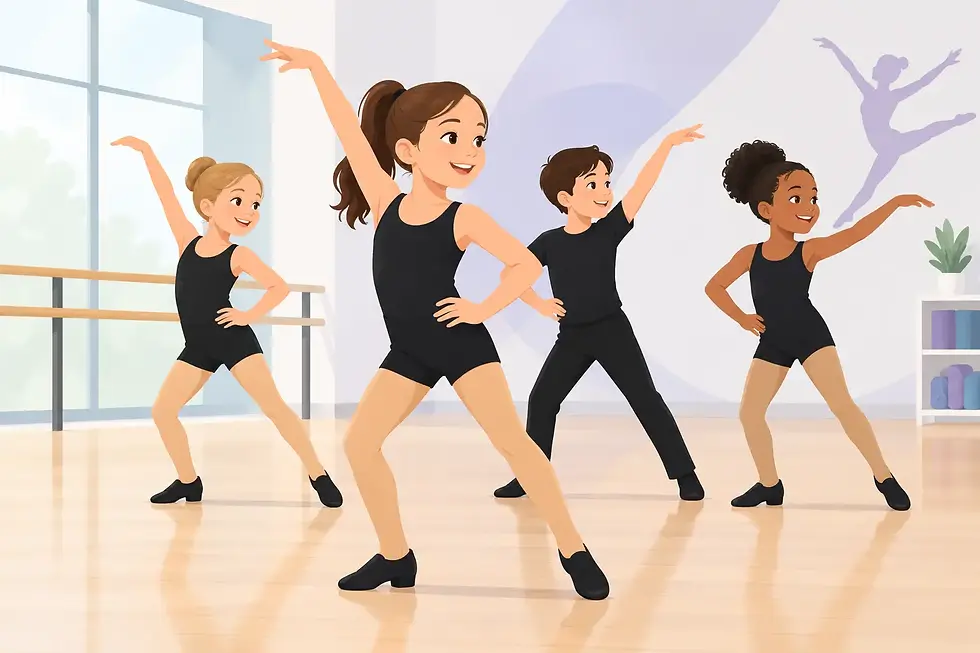
Ballet is not a “girls’ activity.” It is a structured form of movement that helps children build strength, balance, coordination, musical awareness, and confidence. For young boys especially, a beginner ballet class can offer a positive place to use their energy, learn new skills, and discover what their bodies can do in a supportive group setting.
Should Boys Take Ballet Classes? Yes, if They Enjoy Moving
Children do not need to fit a particular personality type to enjoy ballet. Some boys are naturally quiet and focused, while others are active, energetic, and eager to jump. Both can thrive in an age-appropriate class where lessons are designed around movement, imagination, music, and clear routines.
For toddlers and preschoolers, ballet is not about perfect technique or standing still for long periods. A well-taught class introduces foundational skills through simple, engaging activities. Children may practice pointing their toes, balancing like a flamingo, traveling across the room, listening for changes in music, and taking turns with classmates. These activities make learning feel joyful while building the beginnings of real dance technique.
As children grow, ballet gives them a strong physical foundation that can support almost any activity they choose later. Boys who play soccer, swim, do martial arts, or enjoy gymnastics can benefit from better posture, flexibility, core control, and body awareness. Ballet will not replace every other sport, but it can complement them exceptionally well.
The key is to follow your child’s interest rather than an outdated idea about which activities are meant for boys or girls. A child who feels encouraged to try new things is more likely to develop confidence that carries into school, friendships, sports, and daily life.
The Benefits of Ballet for Boys Go Beyond Dance
Parents often notice the physical changes first. Ballet teaches children how to move with control instead of rushing from one motion to another. They learn to land jumps more carefully, hold their bodies with better alignment, and understand where their arms, legs, and feet are in space. This growing coordination can be especially valuable during the early childhood years, when bodies and motor skills are developing quickly.
Strength is another meaningful benefit. Ballet uses the legs, feet, core, back, and arms in a balanced way. Young children do not need intense training to benefit. Even simple exercises such as rising onto the balls of the feet, holding a balanced pose, or moving through a gentle sequence help build stability and control over time.
Just as valuable are the social and emotional lessons. In a class, boys practice listening to an instructor, waiting for a turn, following a sequence, and continuing after a movement feels challenging. These are small moments, but they teach patience, perseverance, and self-regulation.
Ballet also gives children a healthy outlet for expression. Not every child finds it easy to explain feelings with words. Music and movement can help them show excitement, concentration, bravery, or imagination without needing to have the right sentence ready. A child who confidently performs a short dance for family members may be taking an important step toward feeling comfortable being seen and heard.
Ballet Builds Discipline Without Taking Away the Fun
Some parents worry that ballet will feel too strict for a young boy, particularly if he is full of energy. The right early childhood program should have structure, but it should not expect children to behave like miniature professionals.
A good class uses predictable routines so children know what comes next. There may be a greeting circle, a warm-up, movement games, basic ballet exercises, and a closing activity. Within that structure, experienced instructors keep lessons lively and age-appropriate. Young children learn best when instructions are clear, activities change at the right pace, and success is celebrated.
Discipline in this setting is not about pressure. It is about helping a child learn that practice matters, that other people deserve attention, and that progress comes one small step at a time. Those habits are useful far beyond the dance studio.
What Parents Should Look for in a Boys’ Ballet Class
Not every ballet class is the same, especially for children who are new to dance. The quality of the teaching environment matters more than whether a class has only boys, only girls, or a mix of both. Most young children are comfortable learning together when the atmosphere is welcoming and respectful.
Look for instructors with experience teaching young children, not only advanced dancers. Teaching toddlers and early elementary students requires patience, imagination, and an understanding of child development. A skilled instructor knows how to demonstrate a movement clearly, offer gentle corrections, and adapt an activity when children need more support or more challenge.
Small class sizes can also make a real difference. Children receive more individual attention, and instructors can notice when someone needs help with a step, encouragement to join in, or a reminder about safe movement. For beginners, this personalized guidance helps create a sense of security.
It is also worth asking how the studio introduces ballet. At a young age, classes should focus on foundational movement skills and enjoyment rather than demanding flexibility, forcing turnout, or comparing children to one another. Proper technique should always be taught safely and progressively.
At C Dance Academy, early childhood classes are designed to meet children where they are, with qualified instructors, thoughtful structure, and room for each child’s personality to shine. That kind of nurturing approach can make a first dance experience feel exciting rather than intimidating.
A Trial Class Can Answer the Real Question
Sometimes parents are not unsure about ballet itself. They are unsure whether their child will enjoy a class environment. A trial class is often the easiest way to find out.
Before the first lesson, describe it simply: there will be music, movement, a teacher, and other children learning together. Avoid putting too much pressure on the experience by saying he must love it or must perform well. Let him know that trying something new can feel a little unfamiliar at first, and that is completely normal.
During the class, your child may join immediately, watch quietly for a while, or need reassurance from the side of the room. These reactions are all common, particularly for toddlers and preschoolers. One class does not always reveal everything. Some children need a few sessions before they understand the routine and feel ready to participate fully.
Afterward, ask open questions such as, “What was your favorite part?” or “Which move would you like to show me?” These questions invite conversation without making the child feel tested. If he talks about a jump, a song, a new friend, or an instructor who made him laugh, those are encouraging signs.
Helping Boys Feel Comfortable in Ballet
Children often take cues from the adults around them. When parents talk about ballet as something strong, creative, and skill-building, boys are more likely to approach it with pride. You can point out that ballet involves athletic movement, concentration, and practice, just as many sports do.
Avoid framing ballet as something he is doing despite being a boy. Instead, treat it as one of many activities he is welcome to explore. The message should be: you enjoy movement, and this is a place where you can learn more.
Comfortable dancewear matters, but it does not need to become a source of stress. Follow the studio’s guidelines, choose items your child can move in easily, and keep the focus on participation. As he becomes familiar with class routines, putting on dance clothes can even become a cheerful part of the weekly ritual.
Parents can also support progress by noticing effort. Praise a child for listening carefully, trying a difficult balance, remembering a sequence, or returning to class after feeling shy. These specific observations teach children that growth is about more than getting every step right.
A boy does not need to become a professional dancer for ballet to be worthwhile. He only needs a chance to move, learn, and feel capable in a space where he is welcomed. Give him room to try the first class with an open mind. The confidence he carries out of the studio may become the part that lasts longest.


Comments